Background
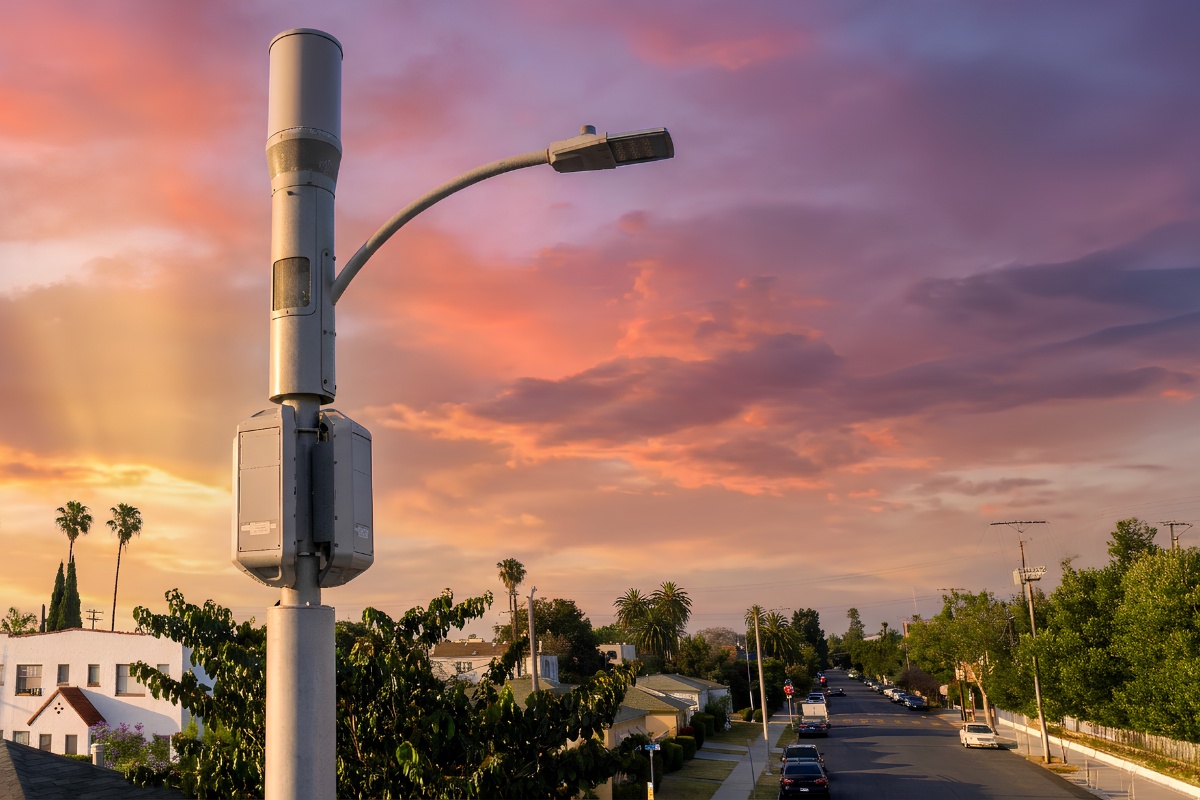
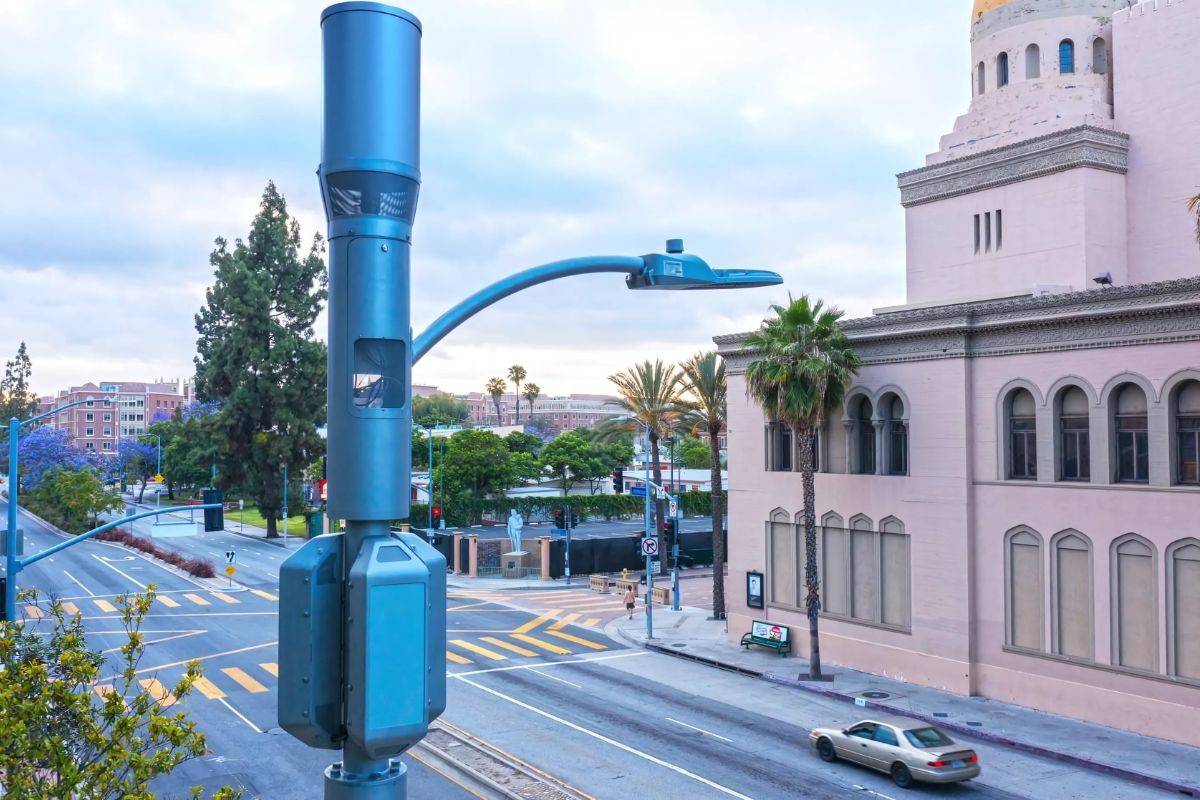
The recent auctions in the 3.55 to 3.98 GHz frequency range (CBRS/C-Band) provide valuable blocks of spectrum for U.S. operators. The hundreds of megahertz made available in these auctions dramatically increase the pool of sub-6 GHz spectrum for 5G networks. The superior propagation characteristics of this "mid-band" spectrum compared to mmWave enable larger coverage areas per cell and improved building penetration. Initial deployments will likely focus on coverage using massive MIMO arrays deployed on existing macro sites. Capacity and hole-filling sites will follow shortly thereafter, deployed at street level with lower-power radios and lower-order MIMO arrays. Street-level deployments often require some level of concealment to improve the aesthetics of antennas and radios to achieve site approval. ConcealFab has extensive experience designing street-level concealment solutions for antenna systems up to 40 GHz. This paper presents measurements showing how ConcealFab's concealment materials perform over the CBRS/C-Band frequency range and presents several concealment designs manufactured using these materials.
Spectrum Auctions
CBRS is the frequency band from 3.55 to 3.70 GHz, a 150 MHz block of spectrum divided into fifteen 10 MHz Time Division Duplex (TDD) channels. The 15 channels are split between licensed (PAL) and unlicensed (GAA) blocks, as shown in Figure 1. The CBRS spectrum is shared with incumbents (government and commercial) and is managed through a Spectrum Access System (SAS).